
The school day ends at 3 PM. But for kids between six and twelve, the next few hours are a major chance for growth. It is a time when their curiosity is still active. Yet they need a different kind of support than a standard classroom provides. Many families find that these afternoon hours are perfect for building life skills that often get rushed during a busy school morning.
In a Montessori setting, the independence practiced during earlier years evolves as kids grow into their school-age identity. This transition is vital because it connects basic facts to the way they interact with the actual world. They begin to see how their actions impact a community, turning simple supervision into a space for real leadership.
Choosing a structured space for these afternoon hours keeps their mind moving while you finish your workday. It ensures your child builds meaningful abilities instead of just waiting for the clock to strike five. Families in Edmonton often find that this consistency is exactly what their children need to feel secure and motivated throughout the week.

Why After-School Learning Matters More Than Ever
As working parents, finding a balance between your career and family life is a constant challenge. You want to know that your child is doing something productive. And then there is a constant need to stay focused on your professional responsibilities. When a child has a reliable place to go, it removes a huge weight from your shoulders.
The risk of leaving these hours unstructured is that boredom quickly sets in. Without a plan, many kids default to heavy screen use or habits that don’t challenge their minds. So, you must provide a space that encourages active participation. It helps prevent that afternoon slump and keeps their brain engaged in healthy ways.
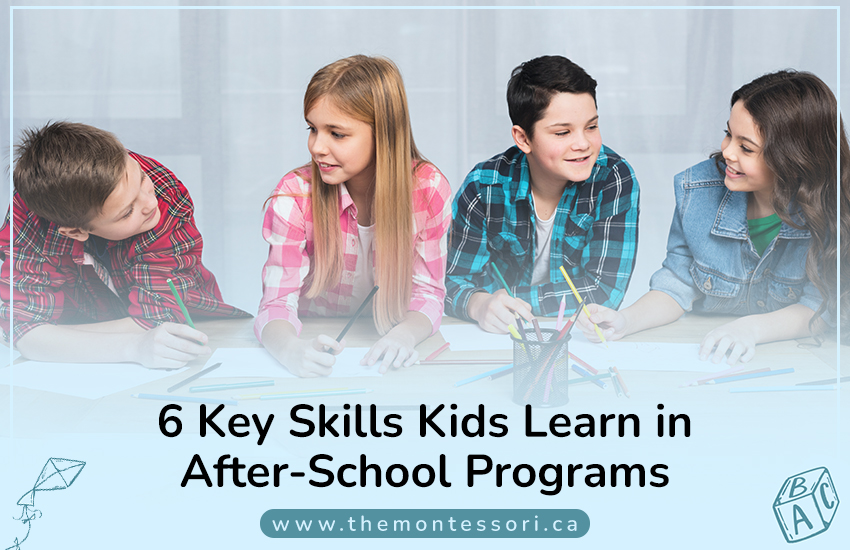
6 Key Skills Kids Learn in After-School Programs
A great program does more than just supervise; it creates an environment where children can test their limits and discover new interests. We focus on building a well-rounded set of tools that help them succeed both in and out of the classroom.
1. Academic Skills and Homework Support
Homework can often become a source of stress at the kitchen table after a long day. Providing a quiet space with educators nearby allows kids to tackle their assignments with clarity. This builds a positive relationship with schoolwork that lasts for years.
- Consistent completion of daily school tasks
- Clarification on difficult academic topics
- Development of effective study routines
2. Time Management and Responsibility
Learning how to look at an afternoon and decide what comes first is a vital life lesson. Kids start to own their schedules instead of relying on an adult to prompt every move. This sense of agency makes them feel more in control of their own success.
- Setting personal daily goals
- Organizing their own school supplies
- Learning how to pace work effectively
3. Social and Communication Skills
Being around peers in a less formal setting allows for deep and lasting friendships. They get to practice how to listen and how to share their ideas without the pressure of a formal grade. It is about learning the rhythm of a community.
- Collaborative group project work
- Real-world conflict resolution practice
- Giving and receiving peer feedback
4. Problem-Solving and Critical Thinking
When a project gets difficult, we encourage kids to take a breath and think of a new way forward. They learn that a mistake is just a piece of data that helps them find the right answer. This resilience is what separates a student who gives up from one who persists.
- Logical reasoning through puzzles
- Scientific exploration and experiments
- Creative thinking for daily challenges
5. Creativity and Exploration
The afternoon is the perfect time to try a new hobby without any fear of failure. Whether it is a complex art project or a science experiment, these activities let them see what they are truly interested in. It keeps their imagination active and healthy.
- Artistic expression sessions
- Hands-on building projects
- Rhythmic play and music exploration
6. Confidence and Independence
Handling tasks on your own creates a sense of pride that no reward can replace. As children manage their own snacks or choose their own work, they realize how capable they actually are. This self-assurance carries over into their performance at their regular school.
- Self-directed choice of activities
- Leadership roles within small groups
- Tracking personal milestones and achievements
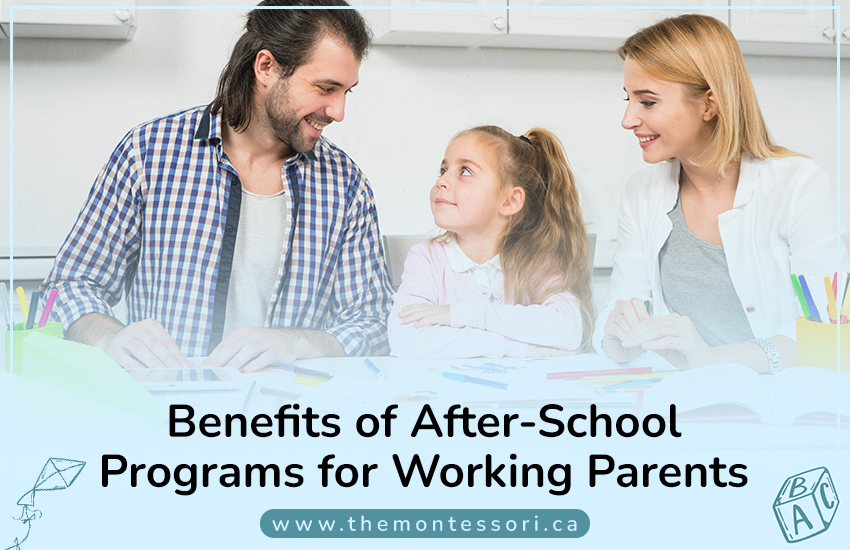
Benefits of After-School Programs for Working Parents
Knowing your child is in a place that truly values their development makes your own workday much easier. You won’t spend your final hours at the office worrying about whether they made it home or if they are just sitting in front of a television. It provides a sense of continuity that supports the whole family.
- Peace of mind for the entire afternoon
- Safe and supervised environment for growth
- Productive use of time before heading home

After-School Programs in Edmonton | What Parents Should Know
Edmonton is a vibrant city, but the demand for quality care is often very high. You need to be prepared and stay ahead of the curve to secure a spot that fits your family’s needs.
- High demand: Popular centres often have waiting lists that grow months in advance.
- Limited availability: Finding space for older children can be surprisingly difficult compared to infant care.
- Importance of early registration: Booking your spot well before the school year starts is the best way to avoid stress.
- Location convenience: Choosing a spot near your commute or your child’s school makes the evening transition much smoother.
- Provincial subsidies: Financial support is frequently available for families who meet the criteria set by the ministry.

How to Choose the Right After-School Program in Edmonton
Look for a team of people who really like the energy of older kids. These staff members need to help with a math problem one minute and start a game the next. Their ability to connect with kids personally is what makes the space feel like home. You want to see staff who speak with respect and listen to the ideas of the children.
The best spots offer a mix of quiet work and physical movement. A child who sat at a desk all morning needs to stretch before they can focus again. Make sure the center has enough space for both types of activity. So, your child doesn’t feel stuck. A balanced environment ensures they go home feeling satisfied rather than restless.

Get in Touch with The Montessori CA & Learn More About Our Structured After-School Program!
The Montessori Child Development Centre is more than just a place to wait for a ride home. We pride ourselves on being a community where children feel respected and heard. We understand the unique needs of families in Edmonton and work hard to provide a service that makes your life easier.
Our after-school program follows the Montessori cosmic curriculum. It connects kids to the world around them. We ensure that every afternoon is filled with a sense of purpose and a little bit of fun. Your child will have the chance to explore their interests while getting the academic support they need.
Please reach out to us if you have questions about our daily routine or our enrollment process. We would love to show you around our space and introduce you to our dedicated team. Let’s work together to make your child’s after-school hours the best part of their day.
Frequently Asked Questions (FAQs)
Q1. What do children do in after-school programs?
Children complete homework and play. They also join group lessons and explore art.
Q2. Are after-school programs good for academic performance?
Yes. They provide extra study time. We offer support that improves grades.
Q3. How do after-school programs help working parents?
They provide child care during work hours. Parents can focus on their jobs.
Q4. Are Montessori after-school programs better than regular ones?
They offer more freedom. Kids choose their activities. This leads to better engagement than traditional care.