The best preschool for your child is the one that fits their personality, not just the one with the fanciest brochure. Look closely at teacher qualifications, class size, curriculum, safety standards, and the program’s overall approach to early childhood development. A great preschool should feel like a second home, safe, warm, and set up to support your child socially, emotionally, cognitively, and physically, while quietly preparing them for the school years ahead. At The Montessori Daycare, our Pre-School Program is built around exactly this kind of environment.
If you’re a parent trying to figure out how to choose a preschool, you’re probably feeling a mix of excitement and “am I making the right call?” nerves, and that’s completely normal. With so many programs, philosophies, and buzzwords out there (Montessori, play-based, Reggio Emilia, and more), it’s easy to feel overwhelmed before you’ve even booked your first tour.
We’ll walks you through everything you actually need to know, from what preschool really teaches your child to the exact questions worth asking before you enrol, so you can choose with confidence instead of guesswork.
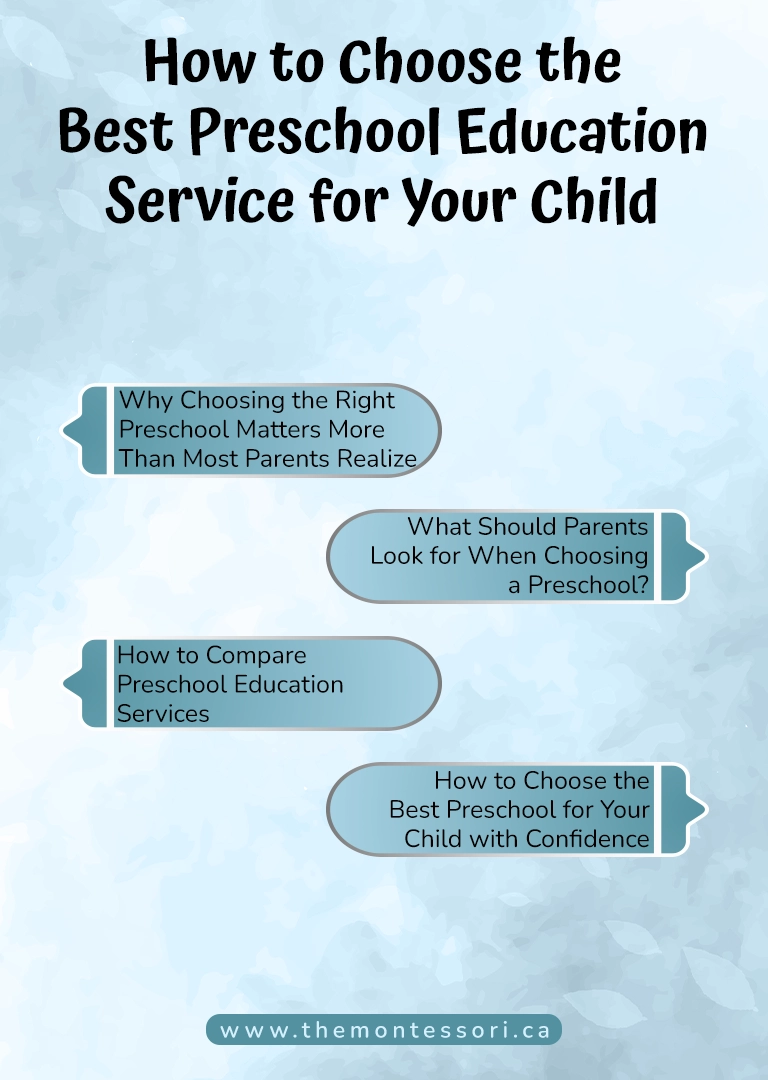
Why Choosing the Right Preschool Matters More Than Most Parents Realize
Picking a preschool can feel like just another item on the to-do list, but honestly, it’s one of the biggest decisions you’ll make for your little one. These early years shape how your child learns, connects with others, and sees the world for years to come. Let’s break down why this choice matters so much.
What Does Preschool Actually Teach Besides ABCs and Numbers?
Preschool is about way more than letters and numbers. A good program teaches kids how to share, problem-solve, manage their emotions, follow a routine, and feel confident trying new things. These “soft skills” are often what set kids up for success later on, not just their ability to count to twenty.
Why Early Childhood Education Shapes Future Learning
The first five years of life are when a child’s brain develops the fastest. A rich, engaging preschool environment builds the foundation for curiosity, focus, and a genuine love of learning that carries right through elementary school and beyond.
How Preschool Builds Social and Emotional Skills
This is often where preschool has the biggest impact. Kids learn to take turns, resolve small conflicts, express their feelings with words, and build friendships. These everyday moments teach empathy and self-regulation in a way that’s hard to replicate at home alone.
The Long-Term Benefits of Quality Preschool Education
Children who attend a strong early learning program tend to show better language skills, stronger problem-solving abilities, and smoother transitions into kindergarten. It’s an investment that pays off well beyond the preschool years.
Why Not All Preschool Programs Are the Same
Two preschools can look similar on the outside and be completely different on the inside. Class sizes, teacher training, daily structure, and philosophy (Montessori, play-based, academic, and so on) all shape your child’s day-to-day experience in very different ways.
When Should Parents Start Looking for a Preschool?
Most Canadian families start touring preschools six to twelve months before they want their child to start. Good programs, especially ones with low child-to-teacher ratios, can fill up quickly, so it pays to start early rather than scrambling last minute.
Signs Your Child Is Ready for Preschool
There’s no single “right” age, but a few common readiness signs include:
- Growing independence, like wanting to do things on their own
- Curiosity about other kids and group play
- Ability to follow simple, one-step instructions
- Some comfort being away from a parent for a few hours
Every child develops at their own pace, and that’s completely normal.
What Should Parents Look for When Choosing a Preschool?
Once you know why preschool matters, the next step is figuring out what actually makes one program a better fit than another for your family.
Define Your Child’s Needs Before Choosing a Preschool
Start by thinking about your child specifically. Are they shy and need a gentle, slow-paced environment? Energetic and needing lots of movement and outdoor time? Knowing your child’s temperament helps you narrow down the type of program that will actually work for them.
Different Types of Preschool Programs Explained
Preschools generally fall into a few categories:
- Montessori – child-led, hands-on learning with specialized materials
- Play-based – learning through guided, open-ended play
- Academic-focused – more structured lessons introduced earlier
- Reggio Emilia-inspired – creative, project-based exploration
Each has its own philosophy on how young children learn best, so it’s worth understanding the basics before you start touring.
Montessori vs Traditional Preschool
Montessori education focuses on child-led, hands-on learning with specially designed materials, encouraging independence and self-paced discovery. Traditional preschools tend to follow a more structured, teacher-led schedule. Neither is “better” across the board, it really depends on how your child learns best.
Play-Based vs Academic Preschool
Play-based preschools use guided play to build skills like problem-solving, language, and cooperation. Academic-focused preschools introduce more structured lessons earlier, like letters, numbers, and worksheets. Many child development experts lean toward play-based learning for this age group, since play is genuinely how young children absorb the most.
Reggio Emilia vs Montessori
Both approaches value child-led learning, but Reggio Emilia leans heavily on creative expression, art, and project-based exploration, while Montessori emphasizes structured, hands-on materials and practical life skills. Touring both styles can help you feel which one resonates with your child’s personality.
Half-Day vs Full-Day Preschool
Half-day programs work well for families with more flexible schedules, while full-day programs suit working parents who need consistent, reliable care. Full-day options at a place like ours also give kids more time to settle into routines, build friendships, and explore the curriculum at a relaxed pace.
What Age Should a Child Start Preschool?
Most preschools welcome children starting around age three, though some, including our own Toddler Program, begin as early as 19 months. The right starting age really depends on your child’s development and your family’s needs.
What Makes a High-Quality Preschool?
A few things tend to set the great programs apart from the average ones:
- Qualified, caring educators
- Small class sizes
- A clean and safe environment
- An age-appropriate, well-structured curriculum
- Genuine warmth and connection from staff
If a school checks these boxes, you’re already off to a strong start.
Questions Every Parent Should Ask Before Visiting a Preschool
Before you even book a tour, jot down a few questions, such as:
- What does the daily schedule look like?
- What’s the teacher-to-child ratio?
- How is discipline handled?
- What’s included in tuition, and what costs extra?
Having your questions ready helps you compare programs fairly.
Common Mistakes Parents Make When Choosing a Preschool
The most common ones tend to be:
- Choosing based on price alone
- Skipping the in-person tour
- Not asking about staff qualifications
- Ignoring their gut feeling about a place
A preschool might look great online, but a visit tells you so much more.
How to Compare Preschool Education Services
Once you’ve got a shortlist, it’s time to compare programs side by side. Here’s what actually matters when you’re weighing your options.
Teacher Qualifications and Experience
Ask whether teachers are certified in early childhood education, and for Montessori programs specifically, whether they’re AMI-trained (that’s the internationally recognized standard). Experienced, well-trained educators make a real difference in how your child learns and feels each day.
Student-to-Teacher Ratio: Why It Matters
A lower ratio means more individual attention, quicker responses to your child’s needs, and a calmer classroom overall. It’s one of the simplest but most telling numbers to ask about.
Classroom Size and Learning Environment
Bright, open, well-organized classrooms with age-appropriate materials tend to support better focus and engagement. Cluttered or overcrowded spaces can be overstimulating for little ones.
Safety, Security, and Cleanliness Checklist
When you visit, keep an eye out for:
- Secure entry points and sign-in procedures
- Visible, consistent sanitation practices
- Safe, age-appropriate furniture and equipment
- Clear emergency and evacuation procedures
A well-run preschool should be happy to walk you through their safety protocols without hesitation.
Daily Routine and Learning Activities
A good daily routine balances structured learning, free play, meals, rest, and outdoor time. Consistency helps children feel secure and know what to expect each day.
Outdoor Play and Physical Development
Outdoor time isn’t just a break, it’s essential for motor skill development, gross movement, and letting kids burn off energy so they can focus better indoors. Ask how much outdoor time is built into the daily schedule.
Communication Between Teachers and Parents
Great preschools keep parents in the loop through daily updates, regular check-ins, or parent-teacher conversations. Strong communication builds trust and helps you stay connected to your child’s day even when you’re not there.
Nutrition and Meal Policies
Ask what’s provided (breakfast, snacks, lunch) and whether meals are healthy and balanced. Some preschools, like ours, include wholesome meals and snacks at no extra cost, which can be a nice bonus for busy families.
Parent Reviews and Testimonials
Real feedback from other families gives you insight you simply can’t get from a brochure. Take a look at what parents are saying about their experience with us before making your decision to gain an insight.
School Accreditation and Licensing
Always confirm the preschool is fully licensed and meets provincial childcare regulations. This isn’t just a box to tick, it’s your assurance that the program meets recognized health, safety, and education standards.
Tuition Fees and Government Subsidies
Ask about tuition costs upfront, and whether there are hidden fees for things like field trips, registration, or supplies. Also check whether you qualify for government childcare subsidies, which can make quality preschool more affordable.
Preschool Location and Transportation
Consider how the location fits into your daily routine. A preschool that’s a quick drop-off on your way to work is often easier to stick with long-term than one that adds extra stress to your morning.
Questions to Ask During Your Preschool Tour
While you’re there, it’s worth asking:
- What’s the staff turnover been like?
- How are conflicts between kids handled?
- What does a typical day actually look like?
- How do you support children who need a little extra attention?
A confident, transparent answer is always a good sign.
Red Flags That May Indicate a Poor Preschool
Watch out for:
- High staff turnover
- Unclean or cluttered spaces
- Vague answers to your questions
- Overcrowded classrooms
- Little to no outdoor time
Trust your instincts, if something feels off during a visit, it’s worth exploring further.
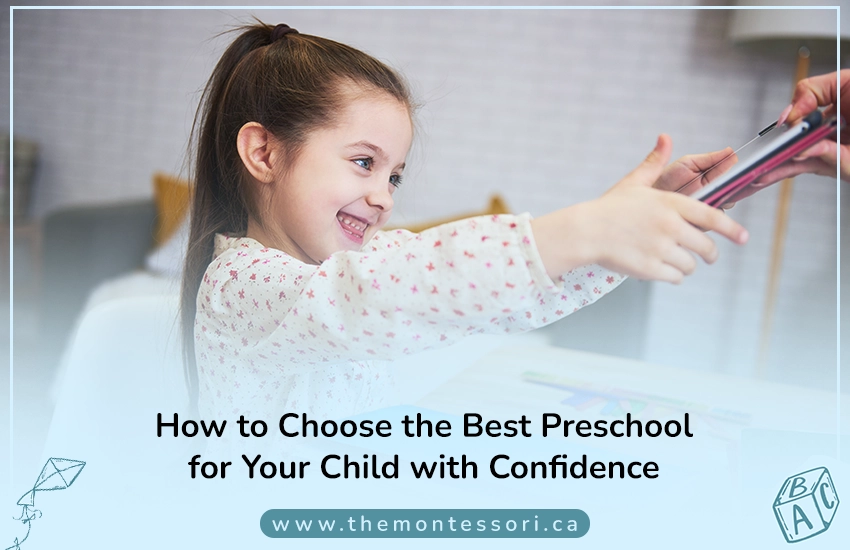
How to Choose the Best Preschool for Your Child with Confidence
You’ve done the research, you’ve toured a few schools, now it’s time to make the final call with confidence.
A Simple Preschool Selection Checklist
Before deciding, make sure you can check off:
- Qualified, trained teachers
- A low child-to-teacher ratio
- A clean and safe environment
- A curriculum that matches your child’s learning style
- Transparent pricing with no surprise fees
- Good communication with parents
Final Questions to Ask Before Enrolling
Ask about:
- The full enrollment process and start dates
- What a typical first week looks like
- What support is available if your child struggles to adjust
Getting clear answers now saves confusion later.
How to Know Your Child Will Thrive There
Trust your gut alongside the facts. Did your child seem curious and comfortable during the visit? Did the staff seem warm and genuinely engaged with the kids? Those small moments often tell you more than any brochure.
What to Expect During the First Weeks of Preschool
Some tears at drop-off are completely normal, even for kids who are excited to start. Most children settle into a rhythm within the first two to three weeks as routines become familiar and friendships start to form.
Preparing Your Child for Their First Day
A little prep goes a long way. Try to:
- Talk positively about preschool ahead of time
- Practice the morning routine a few days beforehand
- Keep goodbyes short and confident
Long, drawn-out goodbyes can actually make separation harder, so a quick, cheerful send-off usually works best.
Why Our Preschool Creates the Best Learning Environment
At The Montessori Daycare, our classrooms are led by AMI-trained Montessori teachers and kept intentionally small, so every child gets real individual attention. We include wholesome meals and snacks, outdoor play, and handwriting practice at no extra cost, with no hidden registration fees. Our fully licensed centre in Edmonton is also connected to subsidy support through the Ministry of Children and Family Development for families who qualify.
Book a Preschool Tour Today
The best way to know if a preschool is right for your child is to see it in person. Come walk through our classrooms, meet our educators, and get a real feel for our learning environment before you decide.
How to Register Your Child
Ready to take the next step? You can start the enrollment process anytime through our simple Registration Form, and our team will guide you through the rest.
Your Child’s Best Start Begins with the Right Choice
Choosing the right preschool is one of the most important decisions you’ll make for your child’s future. Visit our preschool, meet our experienced educators, explore our classrooms, and discover how we help children develop confidence, independence, creativity, and a lifelong love of learning.
Book a tour today and see why families trust us with their child’s early education.
Book Your Preschool Tour Today
Frequently Asked Questions (FAQs)
How do I choose the best preschool for my child?
Look at teacher qualifications, class size, curriculum, safety, and how your child responds during a tour. The best fit balances your child’s needs with a program’s philosophy and structure.
What should I look for in a preschool?
Focus on qualified staff, a low child-to-teacher ratio, a clean and safe environment, a curriculum suited to your child’s learning style, and clear communication with parents.
What age should my child start preschool?
Most children start around age three, though some programs, including our Toddler Program, welcome children as young as 19 months.
What is the difference between preschool and daycare?
Preschool focuses more on structured early learning and school readiness, while daycare is generally more care-focused. Many centres, including ours, blend both to support learning and full-day care.
Is Montessori better than a traditional preschool?
Neither is universally “better,” it depends on your child. Montessori suits kids who thrive with hands-on, self-paced learning, while traditional programs suit kids who do well with more structured, teacher-led routines.
How important is teacher qualification in a preschool?
Very important. Trained, experienced educators, especially AMI-certified Montessori teachers, are better equipped to support your child’s development and handle everyday classroom needs.
What is the ideal teacher-to-child ratio?
Lower ratios are always better, since they mean more individual attention for each child. Ask specific programs for their exact numbers when comparing.
How can I tell if a preschool is safe?
Look for secure entry points, visible cleanliness, safe equipment, clear emergency procedures, and a licensed, accredited facility.
What questions should I ask during a preschool visit?
Ask about daily routines, teacher-to-child ratios, discipline approaches, meal policies, and what’s included in tuition versus what costs extra.
Should I choose a full-day or half-day preschool?
Full-day programs work well for working parents needing consistent care, while half-day programs suit families with more flexible schedules.
How much does preschool typically cost?
Costs vary widely by province, program type, and included services. Always ask upfront about tuition and any additional fees for things like field trips or supplies.
Are government subsidies available for preschool?
Yes, many families qualify for childcare subsidies. In Alberta, subsidy support is available through the Ministry of Children and Family Development for families who meet the requirements.
How can I prepare my child for preschool?
Talk positively about preschool, practice the morning routine ahead of time, and keep drop-offs short and confident to help ease the transition.
What are the signs of a good preschool program?
Warm, qualified staff, a clean and safe environment, engaged and happy children, transparent communication, and a curriculum that supports well-rounded development.
How early should I enroll my child in preschool?
It’s best to start touring and applying six to twelve months ahead of your desired start date, since quality programs with small class sizes tend to fill up fast.